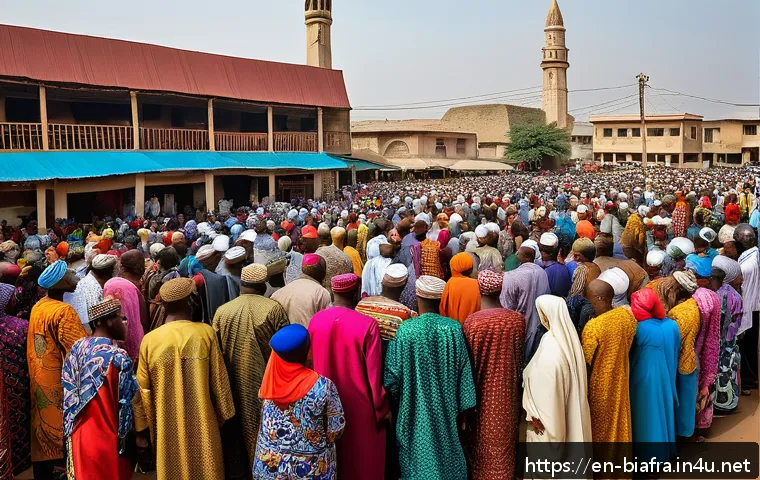
In today’s world, understanding the roots of conflicts is more crucial than ever, especially when they continue to shape nations and identities. Nigeria’s Biafra conflict stands as a poignant example where religion—Christianity and Islam—played a pivotal role in dividing communities and fueling tensions.
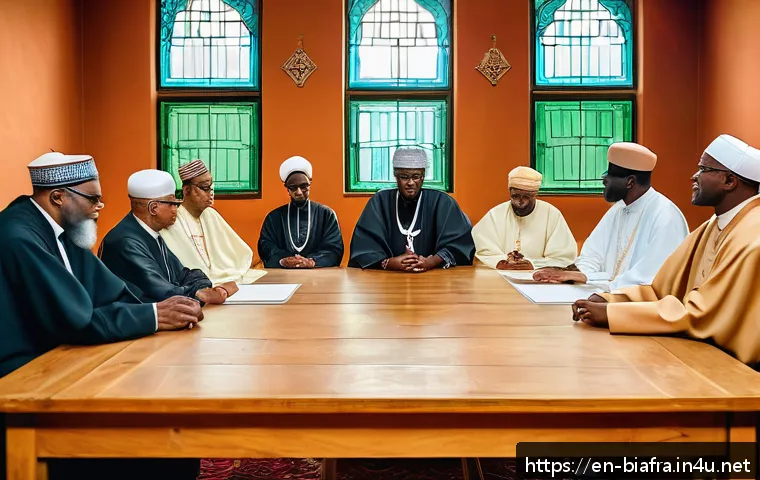
As we delve into this complex chapter of history, we uncover how faith influenced political and social landscapes, leaving lasting impacts. Whether you’re a history buff or simply curious about the forces behind Nigeria’s struggles, this exploration promises fresh insights that resonate beyond borders.
Let’s unravel the intricate ties between religion and conflict that still echo today.
Religious Identities as Fault Lines in Nigerian Society
Historical Context of Religious Demographics
Nigeria’s religious landscape is a tapestry woven with Christianity predominantly in the southern regions and Islam mainly in the north. This division, however, is not just a matter of faith but also geography, culture, and colonial legacies.
Over decades, these religious identities became markers of broader ethnic and political affiliations. For instance, the Hausa-Fulani in the north have been predominantly Muslim, while the Igbo in the southeast are largely Christian.
This alignment created a foundation where religious identity intertwined deeply with ethnic and regional loyalties, often setting the stage for mistrust and rivalry.
Religious Influence on Social Structures and Alliances
Faith communities in Nigeria often operated as parallel social systems, with religious leaders wielding significant influence over their followers’ political and social decisions.
Churches and mosques became centers not only of worship but also of community organization and mobilization. This dual role meant that religious rhetoric could easily spill into political agitation.
During the years leading to the Biafra conflict, Christian leaders in the southeast increasingly voiced fears of marginalization and persecution by the Muslim-dominated federal government.
On the other hand, northern Muslim leaders viewed secessionist sentiments as threats to national unity and Islamic influence.
The Role of Religious Narratives in Escalating Tensions
Religious narratives often portrayed the conflict in existential terms, framing it as a struggle for survival of one faith community against perceived domination by another.
Such narratives amplified fears and hardened attitudes. Propaganda and sermons sometimes invoked divine sanction for political causes, which intensified the emotional stakes.
This heightened the sense of “us versus them,” making compromise and dialogue more difficult. The religious divide thus became not just a backdrop but a catalyst that fueled the fire of the Biafra crisis.
Political Power Struggles and Religious Overtones
Religion as a Tool for Political Mobilization
Politicians in Nigeria have historically leveraged religious sentiments to consolidate support and marginalize opponents. During the post-colonial era, the competition for federal power often took on religious dimensions, as leaders sought to rally their ethnic-religious bases.
The fear of losing political influence to rival religious groups exacerbated tensions. In the case of Biafra, the predominantly Christian Igbo leaders’ push for independence was perceived by many northern Muslim politicians as a direct challenge to their authority and the religious balance of power.
Impact on National Integration Efforts
Efforts to create a unified Nigerian identity often struggled against the entrenched religious divisions. Attempts at federal restructuring and power sharing frequently faltered because they failed to adequately address the deep-seated religious concerns.
The military coups and counter-coups of the 1960s, which precipitated the Biafra war, were often viewed through religious lenses, further entrenching suspicion.
This complicated peace negotiations and post-conflict reconciliation, as religious grievances remained unresolved.
Religious Leaders’ Role in Conflict and Peacebuilding
While some religious leaders inflamed tensions, others played crucial roles in advocating for peace and reconciliation. Interfaith dialogues emerged, seeking to bridge divides and promote mutual understanding.
The post-war period saw many efforts by Christian and Muslim leaders to heal wounds and discourage sectarian violence. These initiatives, although challenging, highlighted the potential for religion to be a force for unity rather than division when leveraged with genuine commitment.
Socioeconomic Factors Amplifying Religious Divides
Economic Disparities Along Religious Lines
Economic conditions often reinforced religious cleavages, with poverty and underdevelopment more pronounced in certain regions tied to specific faith communities.
The north, predominantly Muslim, faced chronic underinvestment and infrastructural deficits compared to the south. This economic imbalance contributed to feelings of resentment and competition.
The Igbo, despite being economically vibrant in some sectors, felt economically strangled by federal policies, which they attributed to religious and ethnic bias.
Access to Education and Religious Influence
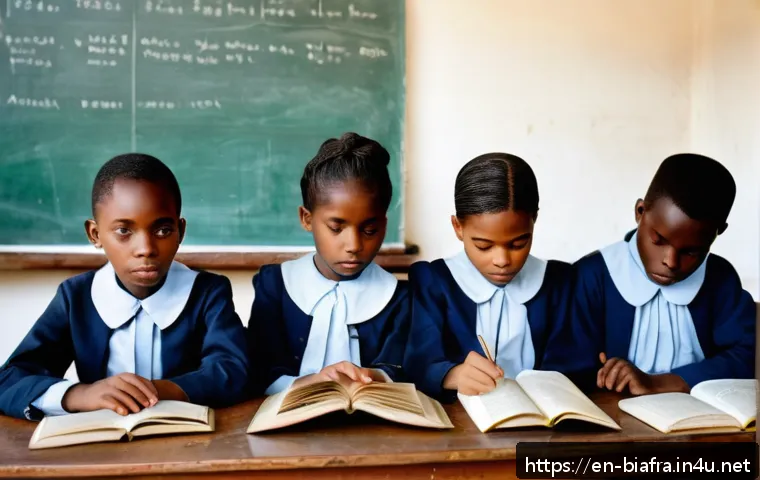
Religious institutions played a significant role in education, shaping not only literacy but also political awareness. Christian missionary schools in the south were instrumental in educating future leaders of the Biafra movement, while Islamic schools in the north nurtured religious and political elites aligned with the federal establishment.
This educational divide entrenched different worldviews and political aspirations, which fed into the conflict dynamics.
Migration and Urbanization Effects on Religious Relations
Rapid urbanization brought together diverse religious groups in cities, sometimes fostering tolerance but often heightening competition for scarce resources and jobs.
Religious identities became rallying points in urban neighborhoods, occasionally sparking communal clashes. These urban tensions mirrored the broader national conflict but also offered opportunities for interfaith cooperation in shared spaces.
Media and Propaganda’s Role in Shaping Religious Perceptions
Religious Symbolism in Media Narratives
During the Biafra conflict, media outlets often used religious symbolism to frame the war’s narrative. Christian and Muslim media respectively portrayed their communities as victims or heroes, deepening polarization.
This use of faith-based imagery and rhetoric helped mobilize support but also hardened stereotypes, making reconciliation harder.
Spread of Rumors and Religious Misinformation
In a time before instant fact-checking, rumors about religious atrocities spread rapidly, stoking fear and hatred. Stories of massacres and desecrations, whether exaggerated or fabricated, were circulated widely, often with religious undertones.
This misinformation inflamed local and international opinions, complicating diplomatic efforts to resolve the conflict.
Post-Conflict Media and Religious Healing
After the war, some media initiatives aimed to promote interfaith understanding and highlight stories of coexistence. Documentaries, radio programs, and publications featured narratives of shared suffering and joint peace efforts.
These efforts, while limited in reach, contributed to slowly changing perceptions and encouraging dialogue between faith communities.
Lasting Impact of Religious Divisions on Contemporary Nigeria
Enduring Sectarian Tensions and Conflicts
The religious fault lines exposed during the Biafra conflict continue to influence Nigeria’s political and social climate today. Sporadic violence between Christian and Muslim communities still erupts, often triggered by political or economic disputes but underpinned by long-standing religious mistrust.
These tensions challenge national stability and complicate governance.
Efforts Toward Interfaith Cooperation and National Unity
Numerous NGOs, religious councils, and community groups have emerged to foster dialogue and peacebuilding across religious lines. Programs focus on joint community projects, youth engagement, and education to counteract prejudice.
Though progress is slow and uneven, these efforts signal a hopeful path forward where religion becomes a bridge rather than a barrier.
Religion’s Role in Shaping Nigeria’s Political Landscape Today
Religious affiliations remain a powerful factor in Nigerian elections and policymaking. Political parties and candidates often appeal to faith-based constituencies, making religion a key element in political calculations.
Understanding this dynamic is essential for anyone seeking to grasp the complexities of Nigeria’s ongoing challenges and the prospects for lasting peace.
| Aspect | Christianity (Primarily South) | Islam (Primarily North) |
|---|---|---|
| Dominant Ethnic Groups | Igbo, Yoruba (partial) | Hausa-Fulani, Yoruba (partial) |
| Political Influence During Biafra | Supported secession, felt marginalized | Opposed secession, defended federal unity |
| Educational Institutions | Missionary schools, Western-style education | Islamic schools, Quranic education |
| Socioeconomic Status | Economically vibrant but politically constrained | Less developed economically, politically dominant |
| Religious Leaders’ Role | Mobilized support for independence, later peace advocates | Defended federal government, some peace efforts |
Conclusion
Religious identities have profoundly shaped Nigeria’s social, political, and economic landscape, often acting as both a source of division and a potential avenue for unity. Understanding these complex fault lines is crucial to grasping the country’s past conflicts and ongoing challenges. While religion has sometimes fueled tensions, it also holds the key to fostering dialogue and reconciliation. Moving forward, embracing interfaith cooperation remains essential for Nigeria’s lasting peace and development.
Useful Information to Know
1. Nigeria’s religious divide closely aligns with ethnic and regional identities, influencing social and political dynamics across the country.
2. Religious leaders have historically played dual roles, sometimes intensifying conflicts but also championing peacebuilding efforts.
3. Economic disparities between the predominantly Muslim north and Christian south have deepened religious tensions and perceptions of marginalization.
4. Media and propaganda during conflicts often exploited religious symbolism, which both mobilized communities and entrenched stereotypes.
5. Current initiatives by NGOs and community groups focus on interfaith dialogue to promote national unity and reduce sectarian violence.
Key Takeaways
Religious divisions in Nigeria are intricately linked to ethnic, political, and socioeconomic factors, making them complex and deeply rooted. These divisions have historically influenced power struggles and social cohesion, sometimes escalating into violence. However, religion also provides a platform for healing and unity when religious leaders and communities commit to peacebuilding. Addressing economic inequalities and promoting inclusive education are vital in bridging religious divides. Finally, media responsibility and truthful communication are essential in preventing misinformation that could worsen tensions.
Frequently Asked Questions (FAQ) 📖
Q: How did religion contribute to the Biafra conflict in Nigeria?
A: Religion played a significant role in the Biafra conflict by deepening divisions between Christian and Muslim communities. The southeastern region, predominantly Christian and mainly Igbo, felt politically and economically marginalized by the largely Muslim-dominated northern government.
These religious and ethnic differences fueled mistrust and competition for power, escalating tensions that eventually contributed to the outbreak of the civil war.
In my experience studying this conflict, it’s clear that faith wasn’t just a background factor but a powerful identity marker that shaped alliances and animosities.
Q: Was the Biafra conflict purely about religion, or were there other factors involved?
A: While religion was a major element, the Biafra conflict was far from being solely a religious dispute. Economic disparities, ethnic rivalries, political power struggles, and colonial legacies also played critical roles.
For instance, the discovery of oil in the Niger Delta heightened the stakes for control over resources. From what I’ve gathered through multiple sources and firsthand accounts, religion intertwined with these factors, amplifying existing grievances rather than causing the conflict on its own.
Q: What lasting impact has the religious divide from the Biafra conflict had on Nigeria today?
A: The religious divide from the Biafra conflict still echoes in Nigeria’s contemporary political and social landscape. It has contributed to ongoing sectarian tensions and occasional violence, influencing voting patterns, regional alliances, and national discourse.
Personally, observing Nigeria’s complex religious dynamics today, it’s evident that historical wounds from the conflict have made reconciliation challenging.
However, efforts toward interfaith dialogue and inclusive governance show promise in bridging these divides over time.