In a world where flags tell powerful stories, the Biafra Republic flag stands out with a rich history and profound symbolism that often goes unnoticed.
With recent discussions around identity and self-determination gaining momentum globally, understanding the deeper meanings behind this flag has never been more relevant.
Whether you’re a history enthusiast or simply curious about the stories behind symbols, this exploration reveals the hidden narratives woven into the Biafra flag’s colors and design.
Join me as we uncover the compelling legacy and messages embedded in this emblem of resilience and hope. It’s a journey that promises to enlighten and inspire beyond the surface.
The Vibrant Palette: Colors That Speak Volumes
The Symbolism Behind Red, Black, and Green
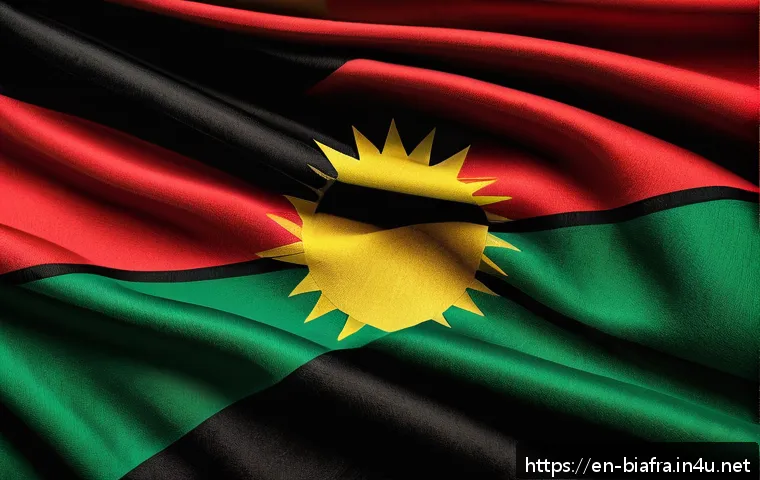
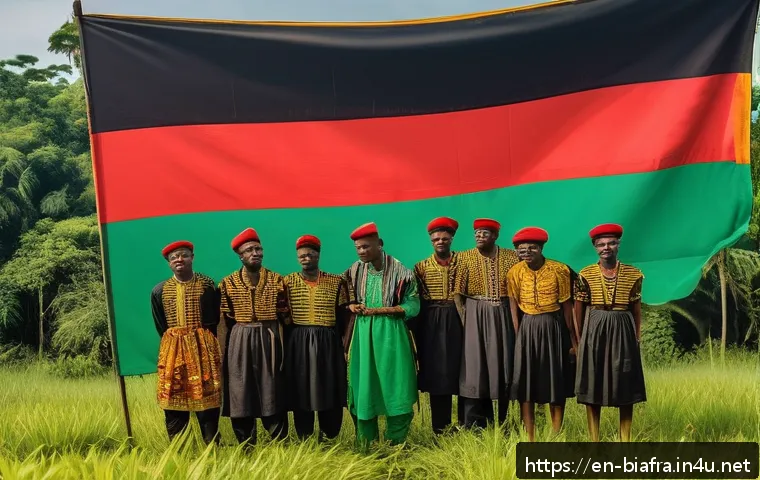
The colors of the Biafra flag aren’t just random choices; they carry deep meanings rooted in the region’s history and struggles. Red represents the blood of those who sacrificed their lives in the fight for independence.
It’s a powerful reminder of the cost of freedom and the resilience of the people. Black symbolizes the rich heritage and identity of the Igbo and other ethnic groups who formed the Republic of Biafra.
It’s a proud declaration of their cultural roots and unity. Green stands for the fertile land and hope for a prosperous future, reflecting the agricultural wealth that sustains the region.
Together, these colors tell a story of pain, pride, and promise.
The Golden Rising Sun: A Beacon of Hope
At the center of the flag sits a golden rising sun, radiating strength and renewal. This sun isn’t just decorative; it embodies the dawn of a new era and the unyielding spirit of Biafrans.
The rising sun symbolizes enlightenment, growth, and the aspiration for self-determination. It’s an emblem of optimism, reminding everyone that even after dark times, a new day can bring light and opportunity.
The rays of the sun spread outward, suggesting inclusiveness and the spreading of hope beyond borders.
Comparing Biafra’s Colors to Pan-African Ideals
The choice of colors also aligns with the Pan-African movement’s palette, which emphasizes unity among African nations and peoples. Red, black, and green were popularized by Marcus Garvey and the Universal Negro Improvement Association as symbols of African identity and liberation.
Biafra’s adoption of these colors connects its struggle to a broader continental narrative, positioning its quest for independence within the larger fight against colonialism and oppression.
This shared symbolism helps contextualize Biafra’s flag as more than a regional emblem—it’s a statement within a global movement for freedom.
A Flag Born from Conflict: Historical Context and Creation
The Birth of Biafra and Its Flag
The Biafra Republic declared independence in 1967, a moment fueled by ethnic tensions and political unrest in Nigeria. The flag was created soon after to represent the new nation’s identity.
Its design was carefully crafted to embody the aspirations and struggles of the people who felt marginalized and oppressed within the Nigerian federation.
The flag wasn’t just a banner; it was a declaration of existence, resistance, and hope for a different future. Those who designed it infused every element with meaning, making it a powerful symbol of defiance and unity during a turbulent time.
The Nigerian Civil War and the Flag’s Role
Throughout the Nigerian Civil War (1967–1970), the Biafra flag became a rallying point for the people. It was flown in towns, villages, and refugee camps, serving as a constant reminder of what they were fighting for—self-rule and recognition.
For many, seeing the flag was a source of strength and solidarity amid hardship. It united people across diverse communities under a common cause. The flag’s presence in media, propaganda, and international discussions helped draw global attention to the conflict and the plight of Biafran civilians.
Post-War Legacy and Continuing Relevance
Even after the war ended with Biafra’s reintegration into Nigeria, the flag retained its symbolic power. It became a sign of cultural pride and a reminder of unresolved issues around identity and autonomy.
Today, it’s often displayed by activists and diaspora communities advocating for greater recognition of Biafran history and rights. The flag’s endurance speaks to the lasting impact of that brief but intense chapter in Nigerian history, and how symbols can carry forward the hopes and wounds of a people across generations.
Interpreting the Flag’s Design: Shape, Proportions, and Layout
The Significance of the Horizontal Stripes
The Biafra flag features three horizontal stripes of equal width, which might seem simple at first glance, but the arrangement is deliberate. Horizontal stripes often convey stability and calm, yet here they also represent balance between the different elements that make up Biafra’s identity: the people, the land, and their shared history.
The equal width suggests equality among these aspects, emphasizing that none outweighs the other in importance. This design choice subtly communicates unity and coherence within the diverse population.
Placement and Size of the Sun Emblem
The sun sits prominently in the center stripe, commanding attention without overwhelming the entire flag. Its size is proportioned to be a focal point, drawing the eye and reinforcing its symbolic weight.
Center placement suggests centrality and importance, much like how the hope and future it represents are central to the Biafran cause. The sun’s rays extend into the adjacent stripes, visually linking all parts of the flag and symbolizing how hope touches every aspect of Biafran life.
Flag Dimensions and Its Impact on Recognition
The proportions of the flag are designed for maximum visibility and recognition, whether flying on a pole or displayed in print. The flag’s balance ensures that its elements remain distinct and impactful, even from a distance.
This practical aspect is crucial during times of conflict and political movements, where symbols must be instantly identifiable. The clean, bold design has helped the flag become a lasting icon, recognized not only within Biafra but also internationally among those familiar with its history.
Voices Behind the Emblem: Creators and Influencers
The Designer’s Vision and Inspiration
The individual or team responsible for designing the Biafra flag drew inspiration from both local culture and broader African liberation symbolism. Their goal was to create a flag that could unify diverse ethnic groups while encapsulating the unique story of Biafra’s struggle.
Drawing from traditional colors and motifs, they also incorporated elements that resonated with Pan-African ideals. This blend of influences gave the flag its distinctive look and layered meanings, showing the creator’s deep understanding of identity politics and symbolism.
Leaders Who Elevated the Flag’s Status
Political and military leaders of Biafra played a crucial role in elevating the flag from a mere symbol to a rallying icon. By prominently featuring it in speeches, broadcasts, and official documents, they reinforced its importance as a representation of the new nation’s legitimacy.
These leaders understood the power of visual symbols in shaping public perception and morale. Their endorsement helped embed the flag in the collective consciousness of Biafrans and supporters worldwide.
The Flag in Contemporary Movements
Today, activists and cultural groups continue to use the flag as a symbol of identity and resistance. Its presence in protests, social media, and art reflects ongoing struggles around autonomy and recognition.
For many, the flag is a source of pride and a call to remember the sacrifices made for self-determination. This ongoing use highlights how symbols can evolve, gaining new layers of meaning while honoring their origins.
Analyzing the Flag’s Impact: Cultural and Political Dimensions
The Flag as a Cultural Unifier
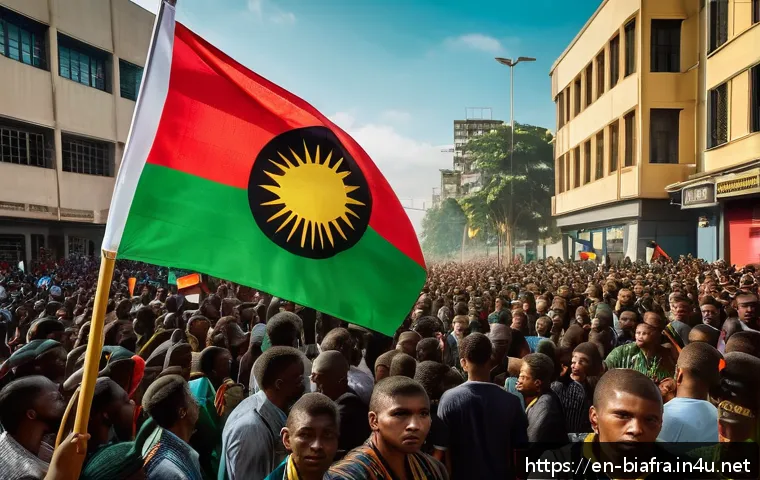
The Biafra flag serves as a powerful cultural unifier, bringing together different ethnic groups under a shared banner of identity and history. It transcends individual differences by focusing on collective experiences and aspirations.
In cultural festivals, music, and storytelling, the flag often appears as a backdrop, reinforcing a sense of belonging and heritage. This unifying role is especially important in a region marked by diversity and past conflicts, showing how a symbol can help heal and build community.
Political Symbolism and Controversy
While celebrated by many, the Biafra flag is also a source of political controversy. In Nigeria, it’s sometimes viewed as a symbol of separatism and division, leading to tensions and restrictions on its display.
This dual perception underscores the complex role symbols play in politics—they can inspire unity among some while provoking fear or opposition in others.
Understanding this tension is key to grasping why the flag remains a potent and sometimes contentious emblem.
International Recognition and Influence
Internationally, the flag has garnered attention as a symbol of self-determination struggles worldwide. Its imagery appears in global human rights discussions and diaspora activism.
This recognition helps keep Biafra’s story alive on the world stage, influencing debates about national sovereignty, minority rights, and post-colonial statehood.
The flag’s international presence illustrates how local symbols can gain global significance, connecting local histories to universal themes.
Breaking Down the Elements: A Quick Reference Table
| Flag Element | Color/Design | Meaning | Associated Symbolism |
|---|---|---|---|
| Top Stripe | Red | Blood of martyrs and sacrifice | Struggle and resilience |
| Middle Stripe | Black | Ethnic identity and heritage | Cultural pride and unity |
| Bottom Stripe | Green | Fertile land and hope | Growth and prosperity |
| Central Emblem | Golden Rising Sun | Hope, renewal, and new beginnings | Enlightenment and aspiration |
Symbolism in the Diaspora: The Flag Beyond Borders
The Flag as a Connection to Homeland
For Biafran diaspora communities scattered across the globe, the flag is more than a symbol—it’s a tangible connection to their roots and identity. Displaying the flag at cultural events, protests, or even in everyday settings helps maintain a sense of belonging and continuity despite physical distance.
It acts as a reminder of where they come from and the collective memories they share, preserving cultural heritage across generations.
The Flag in International Activism
Diaspora activists have used the flag effectively to bring international attention to Biafra’s history and ongoing calls for recognition. Whether at UN forums, social media campaigns, or public demonstrations, the flag serves as a visual shorthand for their cause.
Its presence helps personalize abstract political debates, reminding audiences that real people and histories lie behind the discussions. This use demonstrates how symbols can amplify voices and build solidarity on a global scale.
Challenges of Representation and Misinterpretation
However, the flag’s use abroad isn’t without challenges. Sometimes it’s misunderstood or misrepresented by those unfamiliar with its history, leading to confusion or controversy.
Diaspora communities often have to balance pride in the flag with the need to educate others about its context. This dynamic underscores the complexities of cultural symbols in a globalized world, where meanings can shift and require continual reaffirmation.
Enduring Legacy: How the Biafra Flag Inspires Today
A Symbol of Resilience in Modern Times
Decades after the conflict, the Biafra flag remains a symbol of resilience and hope for many. It stands as a testament to the human spirit’s capacity to endure hardship and strive for dignity.
The flag inspires new generations to remember their history and continue advocating for justice and recognition. Its enduring presence in art, literature, and activism reflects its powerful role as a source of strength.
Lessons in Identity and Self-Determination
The flag teaches valuable lessons about the importance of identity and the right to self-determination. It encourages reflection on how symbols can encapsulate complex histories and emotions, serving as tools for both personal and political expression.
The story behind the flag invites us to consider broader questions about nationhood, belonging, and the ongoing struggles many communities face worldwide.
Looking Forward: The Flag’s Place in Future Dialogues
As conversations about identity and autonomy continue globally, the Biafra flag’s symbolism remains relevant. It prompts dialogue about how history shapes present-day realities and how symbols can help navigate those complexities.
Moving forward, the flag is likely to remain a potent emblem—one that challenges, inspires, and unites people in the pursuit of dignity and recognition.
In Conclusion
The Biafra flag is much more than a piece of fabric; it encapsulates a rich history of struggle, unity, and hope. Its colors and symbols tell a story that resonates deeply with those connected to Biafra and beyond. Understanding this flag offers insight into the resilience of a people and the ongoing quest for identity and recognition. As a powerful emblem, it continues to inspire and unite generations worldwide.
Helpful Information to Know
1. The red stripe symbolizes the sacrifice and bloodshed in the fight for independence, reminding us of the high cost of freedom.
2. The black stripe reflects the cultural pride and ethnic heritage of the Igbo and other groups, reinforcing unity.
3. The green stripe represents fertile land and hope for prosperity, highlighting the region’s agricultural significance.
4. The golden rising sun in the center stands for renewal, optimism, and the dawn of a new era for Biafra.
5. The flag’s design aligns with Pan-African colors, linking Biafra’s struggle to a broader movement for African unity and liberation.
Key Takeaways
The Biafra flag serves as a profound symbol of cultural identity, political resistance, and enduring hope. Its design thoughtfully balances symbolism and practical recognition, making it both meaningful and impactful. While it remains a source of pride and unity for many, the flag also carries complex political implications within Nigeria and beyond. Its continued use by diaspora communities and activists highlights its lasting relevance as a beacon of resilience and a call for self-determination.
Frequently Asked Questions (FAQ) 📖
Q: uestions about the Biafra Republic FlagQ1: What do the colors and symbols on the Biafra flag represent?
A: The Biafra flag is rich in symbolism. The red stripe represents the blood of those who lost their lives during the struggle for independence. The black stripe symbolizes the African heritage and the resilience of the people.
The green stripe signifies hope and the fertility of the land. At the center, the golden rising sun embodies a new beginning and the promise of freedom.
Together, these elements tell a powerful story of sacrifice, identity, and hope that resonates deeply with those who identify with Biafra’s legacy.
Q: Why is the Biafra flag still significant today?
A: Even decades after the Biafran War, the flag remains a potent symbol for many people advocating for self-determination and cultural pride. It represents more than just a historical conflict; it embodies ongoing aspirations for recognition, justice, and autonomy.
For activists and communities, flying the Biafra flag is a way to keep alive the memory of their ancestors’ struggle and to inspire future generations to pursue their rights and identity with courage and unity.
Q: Is it legal to display the Biafra flag in Nigeria or other countries?
A: The legality of displaying the Biafra flag varies depending on the country and context. In Nigeria, the flag is often viewed as controversial due to its association with secessionist movements, and public display can sometimes lead to tensions or legal challenges.
However, in many other countries, especially where freedom of expression is protected, people freely display the flag as a symbol of cultural identity and political expression.
It’s always a good idea to be aware of local laws and sensitivities when displaying politically charged symbols like the Biafra flag.