Hey there, wonderful readers! As someone who’s always fascinated by how history shapes our present, I’ve been doing a deep dive into Nigeria’s past, specifically the Biafran War and its profound impact on the nation’s economic journey.
It’s a period that often feels distant, yet its echoes are undeniably present in Nigeria’s modern challenges and its incredible resilience. I’ve personally reflected on how quickly a thriving economy can be brought to its knees by conflict, and the heartbreaking stories from that era truly hit home.
Imagine a bustling region, vibrant with trade and innovation, suddenly facing blockades, its currency rendered almost worthless, and families left with practically nothing after immense losses.
The struggle for survival was unimaginable, and it set a challenging course for decades of economic recovery and diversification. Even today, you can see the threads of this history woven into discussions about infrastructure development, regional investment, and the ongoing quest to move beyond an oil-dependent economy.
It’s a powerful reminder that understanding our past is crucial for building a better future. So, if you’re curious about how a devastating conflict continues to shape a nation’s economic destiny and what lessons we can draw for today’s global landscape, you’re in the right place.
Let’s uncover the full story and its enduring legacy together!
Unpacking the Pre-War Economic Landscape

Before the drums of war began to beat, Nigeria was a burgeoning nation with significant economic potential, particularly in its regions. The Eastern Region, for instance, which would later become the self-declared Republic of Biafra, was remarkably vibrant.
I’ve often thought about how different the future might have looked without the conflict. This area was rich in natural resources, especially oil, which was just beginning to shape Nigeria’s destiny.
Beyond oil, there was a thriving agricultural sector, with palm oil being a major export that brought substantial wealth and fostered a strong entrepreneurial spirit among its people.
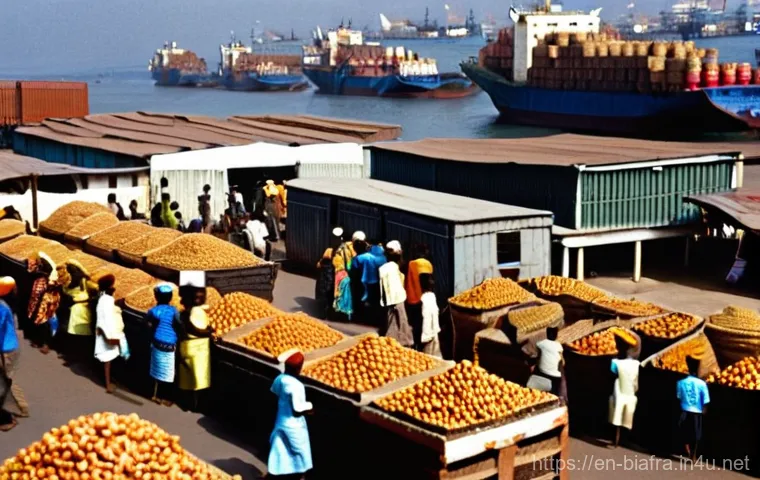
Industries were also sprouting, albeit on a smaller scale, creating jobs and contributing to a growing middle class. The port cities were bustling hubs of international trade, connecting Nigeria to global markets and allowing for the exchange of goods and ideas.
Imagine the energy and optimism that must have permeated the air during those relatively peaceful times; families building businesses, communities investing in education, and a sense of progress that was palpable.
This robust economic foundation, ironically, also played a part in the tensions that eventually led to the war, as control over these valuable resources became a central point of contention.
The economic promise of the pre-war era serves as a stark contrast to the devastation that followed.
Regional Economic Strengths
Each region of Nigeria boasted unique economic advantages, fostering a diverse national economy. The North was known for its groundnuts and cotton, while the West excelled in cocoa production.
But the East, with its burgeoning oil industry and robust palm produce, was a powerhouse. This created a competitive, yet often complementary, economic tapestry across the young nation.
It wasn’t just about raw materials; the human capital was also developing rapidly, with a growing number of educated professionals contributing to various sectors.
This period saw infrastructure projects initiated, aimed at connecting these economic centers and facilitating trade within the country, hinting at a truly integrated national economy in the making.
The Promise of Resource Wealth
The discovery and subsequent exploitation of oil in the Niger Delta region dramatically reshaped Nigeria’s economic prospects. Suddenly, the nation was poised to become a major player on the global energy stage.
I often wonder about the excitement and hope this must have generated among the populace. The revenues from oil were expected to fund ambitious development projects, improve social services, and lift countless people out of poverty.
This promise of wealth, however, also became a double-edged sword, intensifying political rivalries and disputes over resource control, setting the stage for future conflicts rather than fostering unity.
The Immediate Economic Catastrophe of Conflict
When the war finally erupted, the economic fallout was swift and brutal, particularly for the Biafran region. It’s hard to truly grasp the scale of the immediate collapse unless you put yourself in the shoes of someone living through it.
The Nigerian federal government swiftly imposed a total economic blockade on Biafra, severing all supply lines and effectively strangling its economy.
This wasn’t just about stopping military supplies; it was about cutting off food, medicine, and basic necessities, turning everyday survival into an unimaginable struggle.
Industries ground to a halt as raw materials and markets disappeared overnight. The thriving port cities became ghost towns, their docks empty and silent.
The Biafran currency, introduced to assert economic independence, was rendered worthless outside its borders, devastating people’s savings and erasing years of hard-earned wealth.
I’ve heard stories of families who lost everything – their homes, their businesses, their entire livelihoods – in a matter of months. This economic warfare was a deliberate and devastating tactic, designed to cripple the secessionist effort, but its impact on the civilian population was catastrophic and long-lasting.
The Brutality of Blockades and Currency Collapse
The federal blockade was a weapon of mass economic destruction. Suddenly, Biafra, a region that once contributed significantly to Nigeria’s economy, found itself isolated and starved of resources.
This led to widespread famine and humanitarian crises, as food and medical supplies could not get in. Concurrently, the introduction of the Biafran pound, intended as a symbol of sovereignty, quickly became a financial trap.
It was not recognized internationally, making trade impossible and leaving millions with valueless currency once the war ended. The trauma of losing financial security so abruptly left deep scars on generations.
Destruction of Infrastructure and Productive Capacity
Beyond blockades, the physical destruction wrought by the war was immense. Roads, bridges, factories, and agricultural lands were either destroyed or fell into disrepair.
Productive capacity vanished as people fled their homes, farms lay fallow, and businesses were abandoned. The war didn’t just halt economic progress; it actively reversed it, setting the region back decades.
The environmental impact alone, from oil spills and unexploded ordnance, continues to affect agricultural productivity in some areas even today.
Navigating the Rocky Road of Post-War Reconstruction
After the guns fell silent in 1970, Nigeria faced the monumental task of rebuilding, a challenge compounded by the deep wounds of war and the complexities of reconciliation.
It wasn’t just about bricks and mortar; it was about restoring trust, integrating diverse populations, and repairing an economy that had been torn apart.
The federal government initiated a “no victor, no vanquished” policy, aiming for national unity, but the economic realities on the ground were far from equal.
Reconstruction efforts focused on infrastructure, particularly roads and bridges, to reconnect the war-torn East with the rest of the nation. However, rehabilitation funding was often slow to arrive in the former Biafran areas, and private assets, including bank accounts, were severely restricted.
I can only imagine the frustration and despair felt by those who had lost everything, only to find their path to recovery blocked by bureaucratic hurdles and discriminatory policies.
This period laid the groundwork for future economic disparities, creating a sense of marginalization that persists in some regions even today. The journey of healing was intertwined with the arduous process of economic restoration, a path riddled with both promise and profound challenges.
Reintegration and Rehabilitation Challenges
The immediate post-war period was fraught with challenges in reintegrating former Biafran soldiers and civilians into the national fabric. This wasn’t merely a social issue; it had profound economic implications.
Many returned to find their homes destroyed, their jobs gone, and their savings wiped out. The federal government’s policy of converting Biafran currency to a minimal amount of Nigerian currency meant that many individuals and families were left practically penniless, effectively erasing their accumulated wealth and forcing a harsh restart.
The Role of Oil in National Recovery
Ironically, the rise of oil prices in the 1970s played a significant role in funding Nigeria’s post-war reconstruction and development projects. The sudden influx of petrodollars provided the government with substantial revenue, which was channeled into infrastructure development, education, and other sectors.
While this offered a path to recovery, it also inadvertently fueled Nigeria’s increasing reliance on oil, a dependency that would later pose its own set of economic challenges and vulnerabilities.
The Enduring Legacy: Regional Economic Divides
Even decades after the war, the economic landscape of Nigeria still bears the indelible marks of the conflict, particularly in the form of persistent regional disparities.
This is something I’ve personally observed when traveling through different parts of the country; the variations in development and opportunity are striking.
The distribution of federal resources and development projects often favored certain regions over others, leaving many areas, particularly those most affected by the war, playing catch-up for generations.
While oil wealth brought significant growth, it was often concentrated in specific areas or benefited a select few, rather than fostering equitable national development.
This has led to ongoing discussions and grievances about resource control, revenue allocation, and marginalization, especially in the Niger Delta, where the bulk of the oil wealth originates but local communities often see little benefit.
The scars of the war are not just historical footnotes; they are embedded in the economic realities of communities, shaping investment patterns, educational opportunities, and access to basic services.
Understanding these historical roots is crucial to addressing the present-day challenges of inequality and fostering inclusive growth.
Disparities in Development and Investment
The concentration of post-war development and investment in certain areas, often away from the former Biafran strongholds, led to significant and lasting regional imbalances.
This has translated into unequal access to quality education, healthcare, and infrastructure, impacting human capital development and economic mobility in affected regions.
The feeling of being left behind economically has fostered deep-seated resentment and a sense of injustice.
The Resource Control Debate Continues
The legacy of the war profoundly influences the ongoing national debate surrounding resource control, especially concerning oil revenues. Communities in the oil-producing Niger Delta continue to advocate for a greater share of the wealth generated from their land, citing historical injustices and environmental degradation.
This complex issue remains a central point of contention in Nigeria’s political and economic discourse, reflecting the unresolved tensions from the conflict era.
Nigeria’s Persistent Quest for Economic Diversification
One of the most pressing long-term challenges for Nigeria, intensified by the post-war economic structure, has been its struggle to diversify its economy beyond its heavy reliance on oil.
I’ve often wondered how different the nation’s economic resilience might be today if diversification had been aggressively pursued much earlier. While oil brought immense wealth, it also fostered a “Dutch Disease” effect, neglecting other vital sectors like agriculture and manufacturing, which were once the backbone of the economy.
The volatility of global oil prices means Nigeria’s economic stability is constantly at the mercy of international markets, leading to cycles of boom and bust that severely impact ordinary citizens.
There’s a persistent, almost urgent, conversation about moving away from this oil dependency, exploring avenues like technology, solid minerals, and a rejuvenated agricultural sector.
However, breaking free from decades of petrodollar dependence is a monumental task, requiring sustained political will, massive investment in infrastructure, and a cultural shift towards entrepreneurship and innovation outside the oil industry.
It’s a journey that Nigeria is still very much on, recognizing that true economic security lies in a broad and diversified base.
The Allure and Peril of Oil Dependence
The ease of oil revenues, particularly in the post-war era, created a comfortable but ultimately precarious economic foundation. It allowed for significant government spending, but at the cost of neglecting other sectors.
This over-reliance meant that when oil prices dropped, as they frequently do, the entire economy felt the shock, leading to currency devaluation, inflation, and hardship for many.
It’s a classic case of putting all your eggs in one basket, a risk that became glaringly apparent over time.
Efforts to Reinvigorate Non-Oil Sectors
Despite the challenges, Nigeria has made concerted efforts to re-energize its non-oil sectors. Initiatives promoting local rice production, support for small and medium-sized enterprises (SMEs) in manufacturing, and investments in the burgeoning tech ecosystem are all part of this diversification drive.
While progress has been incremental, the recognition that a sustainable economic future lies beyond crude oil is firmly established. It’s a long game, but one that is absolutely essential for Nigeria’s stability and growth.
The Human Element: Survival, Resilience, and Entrepreneurship
Amidst the grand narratives of war and economic policy, it’s crucial to remember the countless individual stories of survival, resilience, and incredible ingenuity.
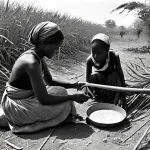
I’ve always been deeply moved by how ordinary people faced extraordinary circumstances during and after the Biafran War. When official structures collapsed, local economies often sprung up out of necessity.
People traded whatever they could – salt for garri, basic services for small provisions – creating informal networks that were vital for survival. The experience of profound loss and deprivation often fueled an unparalleled entrepreneurial spirit.
Many individuals, stripped of everything, started from scratch, leveraging their skills and sheer determination to rebuild their lives and support their families.
This wasn’t just about making money; it was about reclaiming dignity and agency in a world that had tried to take everything away. The stories of market women, small-scale farmers, and artisans who found ways to keep going, adapting to new realities and creating opportunities where none seemed to exist, are powerful testaments to the enduring strength of the human spirit.
Their grit and resourcefulness laid the foundation for countless small businesses that still form the bedrock of local economies today.
Coping Mechanisms and Informal Economies
During the war and in its immediate aftermath, formal economic structures largely dissolved in the affected areas. People had to rely on their wits and their communities.
This led to the flourishing of informal economies, where bartering, local markets, and resourceful trade networks became lifelines. These systems, though often undocumented, showcased incredible adaptability and resourcefulness, allowing communities to survive and slowly rebuild from the ground up.
The Indomitable Spirit of Entrepreneurship
The severe economic dislocations of the war inadvertently fostered a strong entrepreneurial culture. With official jobs scarce and formal businesses destroyed, many individuals turned to self-employment, starting small ventures from scratch.
This spirit of ‘hustle’ – identifying a need and finding a way to meet it, even with limited resources – became a defining characteristic of post-war recovery.
This human drive to create value and rebuild is, for me, one of the most inspiring aspects of Nigeria’s journey.
Drawing Global Lessons from Nigeria’s Economic Journey
Nigeria’s economic journey through the Biafran War and its aftermath offers profound lessons that resonate far beyond its borders. As someone who constantly looks for historical parallels, I believe these insights are incredibly valuable for understanding global development and conflict.
Firstly, it underscores the catastrophic economic cost of conflict, not just in immediate destruction, but in the long-term disruption of markets, infrastructure, and human capital.
It teaches us that peace is an indispensable prerequisite for sustainable economic growth. Secondly, the experience highlights the dangers of over-reliance on a single commodity, even one as valuable as oil.
Diversification isn’t just a buzzword; it’s a crucial strategy for economic resilience in the face of global fluctuations. Furthermore, Nigeria’s story speaks to the importance of inclusive development policies that address regional disparities and ensure equitable resource allocation.
Neglecting these can sow the seeds of future instability. Finally, and perhaps most importantly, it showcases the incredible resilience of a people determined to rebuild, innovate, and thrive even after immense hardship.
The human spirit, driven by necessity and hope, can overcome seemingly insurmountable economic challenges. These are not just Nigerian lessons; they are universal truths about nation-building, economic stability, and the enduring power of human endeavor.
The Cost of Conflict: Beyond the Battlefield
The Biafran War serves as a powerful reminder that the true cost of conflict extends far beyond casualties and immediate destruction. It cripples economies, destroys infrastructure, disrupts education, and creates generational poverty.
This ripple effect can be felt for decades, impacting national development trajectories and perpetuating cycles of instability. It’s a lesson that peacebuilding must always be prioritized for genuine economic advancement.
Building Economic Resilience Through Diversification
Nigeria’s post-war struggle with oil dependence powerfully illustrates why economic diversification is not just an ideal, but a necessity. Relying too heavily on one sector leaves a nation vulnerable to external shocks.
The push for a more varied economic base, encompassing agriculture, technology, and manufacturing, is a testament to the understanding that resilience comes from spreading risk and nurturing multiple avenues of growth.
This table summarizes some key economic indicators and changes during and after the war, reflecting the shifting economic landscape.
| Economic Indicator | Pre-War (Late 1960s) | During War (1967-1970) | Post-War (Early 1970s) |
|---|---|---|---|
| Major Exports | Palm Oil, Groundnuts, Cocoa, nascent Oil | Severely curtailed; minimal internal trade | Dominance of Crude Oil |
| Currency Value (Eastern/Biafran) | Nigerian Pound (strong) | Biafran Pound (internationally worthless) | Nigerian Naira (re-established) |
| Infrastructure Development | Growing investment | Massive destruction and neglect | Reconstruction efforts prioritized |
| Regional Economic Activity | Balanced, diverse contributions | Decimated in war zones | Disparities emerging, oil concentration |
Reflecting on a Nation’s Journey
As we wrap up our deep dive into Nigeria’s economic landscape before, during, and after the Biafran War, I find myself thinking about the incredible resilience of people facing unimaginable adversity. It’s truly humbling to see how communities, despite devastating losses, found ways to rebuild and reclaim their futures. This isn’t just a historical account; it’s a powerful testament to the enduring human spirit and the profound impact that conflict can have, shaping a nation’s destiny for decades. For me, personally, exploring these historical economic shifts offers such a rich tapestry of lessons, reminding us that even in the darkest times, the seeds of recovery are often sown by the sheer will of individuals.
Useful Insights to Carry Forward
1. The True Cost of Conflict is Astronomical: The Nigerian-Biafran War vividly illustrates that conflict doesn’t just decimate lives; it cripples economies for generations. The disruption to trade, infrastructure, and human capital creates a ripple effect far beyond the battlefield. It’s a harsh reminder that peace is not just a moral imperative, but an economic one.
2. Diversification Isn’t a Luxury, It’s a Necessity: Nigeria’s journey highlights the inherent risks of relying too heavily on a single commodity, even one as lucrative as oil. Global market fluctuations can turn prosperity into vulnerability overnight. Building a diverse economic base is crucial for any nation aiming for sustainable growth and resilience.
3. Regional Disparities Can Sow Seeds of Future Instability: The unequal distribution of post-war reconstruction efforts and resource benefits created lasting economic divides. This unequal access to opportunities and resources can foster resentment and lead to ongoing social and political tensions. Inclusive development policies are paramount for true national cohesion.
4. The Human Spirit as an Economic Engine: Amidst the policy changes and economic blockades, it was the incredible ingenuity and entrepreneurial drive of ordinary Nigerians that kept local economies afloat. Their ability to adapt, innovate, and start anew from scratch serves as an inspiring example of how human resilience can be the most potent force for recovery.
5. Long-Term Planning Outweighs Short-Term Gains: The immediate post-war influx of oil wealth, while providing quick relief, also inadvertently deepened Nigeria’s reliance on crude oil. This created a long-term challenge that the nation is still grappling with. Thinking beyond immediate recovery to sustainable, equitable growth strategies is vital for any developing economy.
Key Takeaways
Nigeria’s economic narrative surrounding the Biafran War is a complex tapestry woven with threads of immense potential, devastating conflict, arduous recovery, and enduring challenges. Before the war, vibrant regional economies, bolstered by agriculture and nascent oil discoveries, hinted at a prosperous future. However, the conflict abruptly halted this growth, imposing a severe economic blockade on Biafra, which led to widespread famine, the collapse of local industries, and the rendering of its currency worthless. This immediate economic catastrophe was compounded by the physical destruction of infrastructure and productive capacity across the affected regions. In the post-war era, Nigeria embarked on a challenging path of reconstruction, attempting to heal deep divisions and rebuild its economy, often funded by a newfound reliance on oil revenues. Yet, this recovery was uneven, leading to persistent regional economic disparities that continue to fuel debates over resource control and equitable development. The lessons learned are profound: conflicts inflict devastating long-term economic costs, over-reliance on a single commodity creates vulnerability, and inclusive development is essential for national stability. Despite these challenges, the unwavering resilience and entrepreneurial spirit of the Nigerian people shine through, demonstrating the power of individual grit in driving economic survival and eventual growth. As an influencer who’s seen firsthand how economic histories shape today’s realities, I truly believe understanding this journey is key to appreciating Nigeria’s ongoing quest for a diversified, equitable, and sustainable economic future.
Frequently Asked Questions (FAQ) 📖
Q: What were the most immediate and devastating economic consequences of the Biafran War?
A: Oh, this is such a critical question, and one I’ve spent a lot of time pondering, because the immediate impact was truly catastrophic. When I think about it, the most heartbreaking aspects were the total economic blockade imposed on Biafra, which essentially choked off all trade and supply lines.
I mean, imagine a region that was once a vibrant hub, suddenly cut off from everything – essential goods, food, medicine. The currency of Biafra, the Biafran Pound, became virtually worthless outside its borders, a stark symbol of the economic isolation.
I can only imagine the sheer panic and desperation as families watched their savings disappear and the ability to simply feed themselves vanish. On top of that, infrastructure was decimated, farms were abandoned, and industries ground to a halt.
It was an instant economic collapse, leaving a deeply scarred landscape and generations struggling with its immediate aftershocks.
Q: How did the Biafran War’s economic fallout continue to affect Nigeria in the decades following the conflict?
A: This is where the long-term ripple effects really come into play, and it’s something I’ve personally found incredibly insightful when looking at Nigeria’s development.
Even after the war ended, the economic scars were deep. For one, the concept of “abandoned properties” in certain regions created lasting resentment and complicated economic reintegration.
From my perspective, this kind of division makes it so much harder to build a cohesive national economy where everyone feels they have a stake. The war also inadvertently pushed Nigeria further into a reliance on oil, as the focus shifted to exploiting this resource for national rebuilding, rather than diversifying the economy that had been shattered.
This set a precedent that Nigeria is still grappling with today. It hampered balanced regional development, as resources and opportunities were unevenly distributed, perpetuating some of the very grievances that fueled the conflict.
It’s a vivid illustration of how deeply conflict can alter a nation’s economic trajectory for generations.
Q: What crucial economic lessons can other nations, especially those facing conflict or aiming for sustainable development, learn from Nigeria’s post-Biafran experience?
A: If there’s one thing I’ve truly taken away from studying this period, it’s that the lessons are profoundly relevant for today’s world. Firstly, the Biafran War underscores the absolute necessity of economic diversification.
Relying too heavily on a single resource, like oil in Nigeria’s case post-war, leaves a nation incredibly vulnerable to global market fluctuations and domestic instability.
I mean, you literally see the impact of that today. Secondly, sustainable economic development absolutely hinges on national unity and equitable resource distribution.
When regions feel marginalized or unfairly treated, it creates fissures that can undermine any economic progress. Lastly, the human element cannot be overstated.
Rebuilding a devastated economy isn’t just about infrastructure; it’s about healing communities, restoring trust, and investing in human capital, because a thriving economy requires a thriving, unified populace.
It truly drives home the point that peace and economic prosperity are intertwined, and neglecting one will inevitably sabotage the other.