Have you ever been captivated by the sheer elegance and vibrant storytelling woven into traditional African clothing? I know I have! There’s something truly special about garments that don’t just dress the body, but also tell a profound story of heritage and identity.
Today, we’re diving into the stunning world of Biafran traditional attire, a collection of designs that speak volumes about resilience, culture, and artistry, deeply rooted in the Igbo people’s rich history.
From the distinctive Isiagu worn by men to the elaborate wrappers and blouses donned by women, each piece is a masterpiece of cultural expression. Trust me, you’ll be amazed by the intricate details and powerful symbolism behind these beautiful clothes.
Let’s uncover the fascinating secrets of Biafran fashion together!
The Heart of Igbo Identity in Fabric
A Glimpse into the Past
It’s truly incredible to think about how clothing, something we wear every single day, can carry such immense weight and history. For the Igbo people, their traditional attire isn’t just about covering the body; it’s a vibrant tapestry woven with stories of ancestry, resilience, and profound cultural values.
I’ve always been fascinated by how these garments serve as a living archive, silently narrating tales of past triumphs, challenges, and the everyday lives of generations.
When you see someone adorned in traditional Igbo wear, you’re not just admiring beautiful fabric; you’re witnessing centuries of heritage proudly displayed.
It’s a connection to a lineage that has survived and thrived, a visual testament to a people’s unwavering spirit. I remember seeing old photographs of my grandparents, their dignified expressions complemented by the elegant patterns of their clothes, and feeling a deep sense of connection to their story.
These clothes truly bridge the past and the present, reminding us where we come from.
More Than Just Clothes: A Living History
What I find most compelling about Igbo traditional dress is how it actively participates in the ongoing narrative of the community. It’s not static; it evolves, yet always retains its core essence.
Different eras, social changes, and even colonial influences have left their subtle marks, but the foundational elements remain strong. Each piece, from the way it’s sourced to the intricate finishing, is imbued with meaning.
It reflects the individual’s status, their family’s lineage, and even specific life events like marriages or chieftaincy titles. It’s a constant dialogue between the wearer and their community, a non-verbal language understood by all.
I’ve heard stories passed down through generations about how specific patterns were once reserved for royalty or how certain dyes represented peace or prosperity.
It truly makes you appreciate the depth of thought and intention behind every thread.
Unveiling the Iconic Isiagu: A Symbol of Pride
The Regal Look of the Lion Head
Oh, the Isiagu! If there’s one garment that instantly screams “Igbo culture,” it’s this magnificent tunic. I’ve always admired its powerful presence, often adorned with the distinctive lion head motif, which for me, symbolizes strength, courage, and leadership.
It’s more than just a piece of clothing; it’s a statement, a badge of honor worn by men who command respect. The fabric itself, traditionally a rich velvet or damask, often feels so luxurious to the touch.
The intricate embroidery, usually featuring those iconic lion heads and sometimes other cultural symbols, is a testament to the artisan’s skill. I remember trying one on for the first time, feeling an immediate sense of gravitas and pride wash over me.
It’s truly a garment that elevates the wearer, making them stand tall and embody the values it represents. It’s a feeling I wouldn’t trade for anything.
When and How to Wear It
You’ll typically see the Isiagu gracing important occasions, making its appearance at weddings, chieftaincy coronations, festivals, and other significant community gatherings.
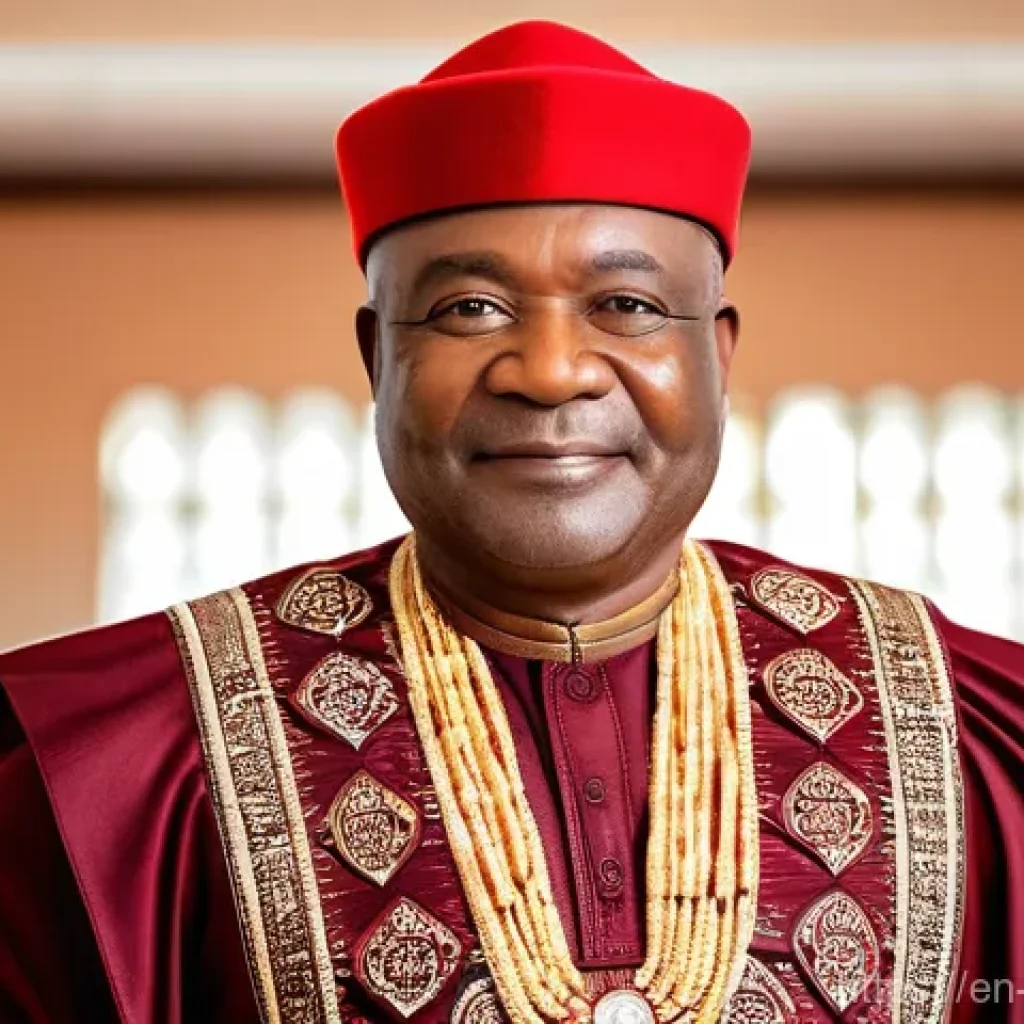
It’s usually paired with smart trousers and a traditional Igbo cap, often a red or black “okpu agu” (lion cap), completing that truly regal look. I’ve noticed a lot of variation in the colors and embellishments these days, with designers getting really creative, but the essence of the Isiagu remains unchanged.
It’s truly heartwarming to see how men wear it with such confidence and reverence, knowing they are carrying on a cherished tradition. When I see someone wearing a beautifully tailored Isiagu, I can’t help but feel a surge of admiration for the culture it represents and the impeccable style it exudes.
It’s truly a timeless piece that continues to inspire.
Women’s Elegance: Wrappers, Blouses, and Headties
The Art of Tying a Wrapper
Now, let’s talk about the sheer artistry involved in women’s traditional Igbo attire. It’s absolutely captivating! The foundation often consists of one or two beautifully patterned wrappers, which aren’t just thrown on, but are skillfully tied and draped to create a silhouette that is both elegant and dignified.
I’ve spent hours watching women expertly fold, tuck, and secure their wrappers, transforming simple lengths of fabric into a stunning display of grace.
The choice of fabric itself is a ritual, often vibrant and rich, with prints that tell their own stories. I remember my aunt showing me how to tie a proper wrapper, and let me tell you, it takes practice!
But once you get it right, there’s an undeniable feeling of poise and sophistication that comes with it. It’s truly a beautiful dance between fabric and form.
Accessorizing with Grace
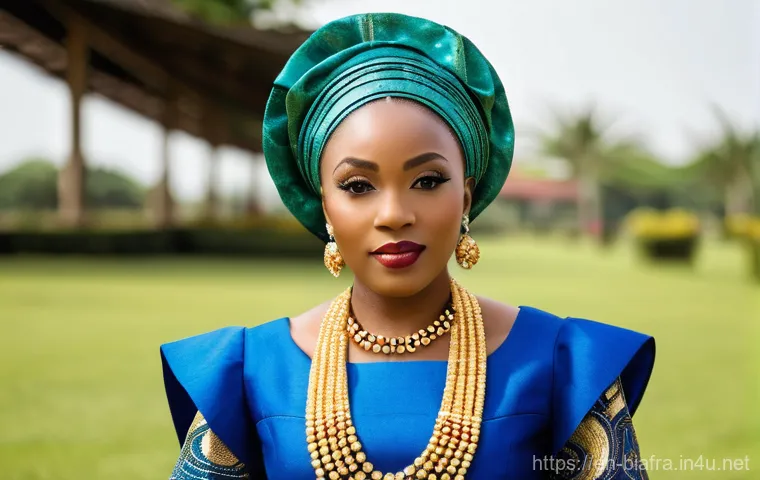
Complementing these magnificent wrappers are exquisitely tailored blouses and, of course, the show-stopping headties. The blouses are often made from complementary fabrics, sometimes adorned with embroidery or delicate beadwork, perfectly accentuating the overall ensemble.
But for me, the headtie, or “gele,” is the ultimate crown. It’s not just an accessory; it’s an art form in itself, with intricate folds and towering structures that can add inches to a woman’s stature, making her look truly majestic.
I’ve seen women transform their entire look with just the right headtie, adding a touch of drama and elegance that is simply unparalleled. The combination of the vibrant wrapper, the perfectly fitted blouse, and a masterfully tied headtie creates an overall look that celebrates femininity, strength, and cultural pride in the most breathtaking way.
Beyond the Garment: Symbolism and Significance
Colors that Speak Volumes
This is where the true depth of Igbo traditional wear really shines through – in the stories that colors and patterns whisper. I’ve learned that virtually every hue and motif has a specific meaning, adding layers of communication to each outfit.
It’s not just about aesthetics; it’s about conveying messages, beliefs, and even social status without saying a single word. For instance, I’ve always been drawn to the boldness of red, which I later learned often symbolizes passion, courage, and vitality in Igbo culture.
Green, on the other hand, frequently represents fertility and prosperity, reflecting the agrarian roots of the community. Understanding these nuances makes appreciating the clothing so much richer.
It’s like deciphering a beautiful, silent language that only those who understand the culture can truly read. It’s one of those details that make me feel incredibly connected to the people and their worldview.
Patterns with a Purpose
Beyond colors, the patterns themselves are absolutely fascinating. From geometric shapes to more abstract designs, each motif tells a part of the Igbo story.
Some patterns might signify abundance, others might represent unity or a historical event. I’ve heard about specific designs that were traditionally worn only by members of certain societies or during particular rites of passage.
This intricate level of detail means that every garment is a carefully curated statement, not just a random collection of patterns. It’s truly a testament to the thoughtful craftsmanship and deep cultural knowledge that goes into creating these pieces.
When I see a unique pattern, I always wonder about the story behind it, and it often leads to a deeper conversation about Igbo heritage. Here’s a quick look at some common colors and their general interpretations:
| Color | Common Interpretations in Igbo Culture |
|---|---|
| Red | Courage, passion, vitality, sacrifice, danger |
| Green | Fertility, prosperity, growth, renewal, health |
| Yellow/Gold | Wealth, royalty, prestige, joy, celebration |
| White | Purity, peace, spirituality, wisdom |
| Black | Mystery, solemnity, power, protection, mourning |
| Blue | Harmony, peace, love, wisdom, tranquility |
Modern Twists on Timeless Traditions

Bridging Old and New Styles
What I absolutely adore about fashion is its dynamic nature, and traditional Igbo attire is no exception. It’s truly inspiring to see how contemporary designers are taking these revered styles and infusing them with a fresh, modern sensibility, creating pieces that speak to both heritage and current trends.
I’ve spotted stunning evening gowns made from Isiagu fabric, chic blouses with traditional embroidery paired with modern skirts, and even accessories that incorporate traditional beads and motifs in entirely new ways.
It’s not about abandoning the past, but rather about reimagining it in a way that resonates with a younger, globally-aware audience. This creative fusion ensures that these beautiful traditions remain relevant and continue to capture hearts in a constantly evolving fashion landscape.
I personally think these modern interpretations are crucial for keeping the culture alive and vibrant.
Global Recognition and Influence
It’s been incredibly exciting to witness traditional Igbo fashion gaining more and more traction on the global stage. I’ve seen celebrities don stunning Isiagu jackets on red carpets and international designers incorporating Igbo-inspired elements into their collections.
This widespread recognition is a powerful testament to the universal appeal of these garments’ elegance and storytelling. It’s not just about looking good; it’s about showcasing a rich cultural identity to the world, breaking down barriers, and fostering a deeper appreciation for African artistry.
When I see a traditional piece making waves internationally, it fills me with immense pride, knowing that the beauty and history of Igbo culture are being celebrated far and wide.
It makes me feel like the world is finally waking up to the incredible artistry that has been here all along.
Celebrating Heritage: Wearing Igbo Attire Today
Occasions for Adornment
Today, wearing traditional Igbo attire is a profound act of cultural pride and celebration. While you’ll definitely see it at the most formal events like elaborate Igbo weddings, chieftaincy title ceremonies, and vibrant cultural festivals, its presence isn’t limited to just those grand occasions.
Many people, including myself, proudly don these beautiful clothes for church services, family gatherings, and even significant birthdays. It’s a way of affirming identity, honoring ancestors, and connecting with community.
I’ve even noticed a trend of people wearing simplified versions or incorporating elements into their everyday wear, which is just wonderful to see. It shows that these traditions are living, breathing parts of people’s lives, not just museum pieces.
The sheer joy and confidence I see on people’s faces when they’re dressed in their best traditional attire is truly infectious.
My Personal Experience Wearing Them
I remember the first time I wore a full traditional Igbo ensemble for a family wedding – a beautiful wrapper, a perfectly matched blouse, and a striking gele.
As someone who loves fashion, it was an entirely different experience from putting on any other outfit. There was a sense of gravitas, a feeling of being connected to something much larger than myself.
Every step felt a little more deliberate, every interaction felt more meaningful. I received so many compliments, not just on the beauty of the clothes, but also on the pride with which I wore them.
It wasn’t just about looking good; it was about embodying a piece of my heritage, sharing a story without uttering a single word. That day, I truly understood the power of these garments, not just as fashion, but as a living bridge to my roots and a vibrant expression of who I am.
Finding Your Own Piece of Biafran Beauty
Navigating the Market
If you’ve been captivated by what we’ve discussed and are now wondering where you can find your own piece of this stunning cultural art, you’re in for a treat!
The market for traditional Igbo attire, both locally and internationally, is bustling. You can often find beautiful fabrics and ready-to-wear pieces in vibrant markets within Nigeria, where skilled tailors are also readily available to customize garments to your exact specifications.
For those of us outside Nigeria, the internet has opened up a treasure trove of options. I’ve personally found incredible vendors on online platforms specializing in African fashion, and many reputable boutiques now ship globally.
My advice? Take your time, explore different options, and don’t be afraid to ask questions about the origin and craftsmanship of the pieces.
Supporting Authentic Craftsmanship
When you’re looking to purchase traditional Igbo attire, I really encourage you to seek out and support authentic craftsmanship. There’s a world of difference between a mass-produced item and one that has been carefully crafted by an artisan who understands the cultural significance behind every stitch and pattern.
Look for vendors who are transparent about their sourcing and production processes. Many smaller, independent designers and tailors pour their heart and soul into creating these garments, and by supporting them, you’re not just buying a piece of clothing; you’re investing in the preservation of a rich cultural heritage and empowering local communities.
It’s a truly rewarding feeling to know that your purchase contributes to keeping these magnificent traditions alive and thriving for generations to come.
Wrapping Up
And there you have it! From the majestic Isiagu to the intricate art of tying a gele, traditional Igbo attire is so much more than just fabric and thread. It’s a vibrant narrative, a proud declaration of identity, and a profound connection to generations past and present. I truly hope this journey into the heart of Igbo fashion has been as enriching for you as it has been for me to share. It’s an honor to witness how these timeless traditions are not only preserved but are also continuously reinvented, ensuring their beauty and significance continue to resonate deeply in our ever-changing world.
Good to Know
1. Cultural Sensitivity is Key: When admiring or considering wearing traditional Igbo attire, remember that each garment often carries deep cultural and historical significance. It’s always a good practice to approach it with respect and an eagerness to learn about its meaning, rather than treating it merely as a fashion trend. Understanding the context truly enhances the appreciation of its beauty and importance. This thoughtfulness shows genuine respect for the culture it represents, something I always emphasize in my own explorations of global fashion and heritage. The stories behind the fabrics are often as rich and intricate as the patterns themselves, offering a window into a vibrant worldview.
2. Supporting Authentic Artisans: If you’re inspired to acquire a piece of traditional Igbo clothing, I strongly recommend seeking out authentic artisans and designers, especially those directly from Igbo communities or with strong ties to them. By doing so, you’re not only getting a genuine product but also contributing directly to the livelihoods of individuals who keep these intricate traditions alive. Many smaller, family-run businesses rely on direct support, and your purchase helps sustain their invaluable craft for future generations. It’s a way to ensure that the skill, passion, and cultural knowledge embedded in each piece are truly honored and preserved.
3. Versatility in Modern Styling: While traditional Igbo attire shines brightest at formal cultural events, don’t shy away from incorporating elements into your contemporary wardrobe. A striking Isiagu jacket can elevate a simple pair of trousers, or a beautifully patterned wrapper can be re-imagined as a stylish skirt. The beauty lies in its adaptability. I’ve personally experimented with pairing bold African prints with minimalist Western pieces, and the results are always stunning and unique. It’s a fantastic way to celebrate heritage in your everyday life, making a subtle yet powerful statement about your appreciation for global cultures.
4. The Art of Headtie Tying: For women, the gele (headtie) is an iconic and intricate part of the ensemble. While it might look daunting, there are countless tutorials online, and many cultural events offer demonstrations. Learning to tie a gele is almost a rite of passage for some, and mastering it adds an incredible layer of elegance and authenticity to your look. It’s a skill that showcases patience and an appreciation for traditional aesthetics, and I can tell you from experience, the feeling of accomplishment when you finally get that perfect fold is incredibly satisfying. Plus, it’s a fantastic conversation starter!
5. Understanding Color and Pattern Meanings: Before making a purchase, especially for a significant event, it’s incredibly rewarding to delve a little deeper into the meanings behind the colors and patterns. As we discussed, each hue and motif can convey specific messages, from status and wealth to peace and fertility. Knowing what your garment represents can add a profound layer of personal connection and respect to your attire. It transforms a beautiful outfit into a storytelling canvas, allowing you to silently communicate and celebrate the rich tapestry of Igbo culture with every wear. It’s a truly engaging aspect of the fashion that I find endlessly fascinating.
Key Takeaways
What I really want you to take away from our chat today is that Igbo traditional attire is a living, breathing testament to a rich and vibrant culture. It’s a powerful blend of artistry, history, and identity, meticulously woven into every thread and pattern. From the regal Isiagu to the graceful wrappers and headties, these garments are more than just clothes; they are stories, symbols, and celebrations of resilience and pride. Witnessing their evolution and global recognition fills me with so much joy, proving that heritage can beautifully coexist with modernity. My own experiences wearing these pieces have instilled a profound sense of connection and pride, and I truly believe that embracing and understanding such cultural expressions enriches us all, fostering a deeper appreciation for the diverse beauty our world has to offer.
Frequently Asked Questions (FAQ) 📖
Q: What are the most iconic pieces of Biafran traditional clothing, and what makes them stand out?
A: This is a fantastic question because it gets right to the heart of what makes Biafran attire so special! When I think of Biafran fashion, particularly rooted in Igbo culture, a few pieces immediately come to mind that truly stand out.
For men, it’s undeniably the Isiagu, often called “lion head” fabric. You know, when you see a man confidently wearing an Isiagu top, often made from rich velvet or damask, exquisitely embroidered with those distinctive lion heads or other traditional symbols, you just feel the power and cultural pride emanating from him.
It’s more than just a shirt; it’s a statement, often reserved for important events, celebrations, or even casual gatherings that call for a touch of regal elegance.
I’ve personally seen how the intricate embroidery and the tailored fit can completely transform an entire look, making the wearer instantly command attention.
For women, the traditional attire is a vibrant symphony of colors and textures. We’re talking about beautifully wrapped George fabrics, elaborate wax prints, or intricately woven Akwete cloth, always paired with a matching blouse and often a stunning headtie (gele) and decorative waist beads (jigida).
What truly makes them stand out, in my opinion, is the incredible artistry in the fabric choices, the innovative ways women creatively drape and tie their wrappers, and the sheer joy and confidence they exude when wearing these garments.
Each pattern often tells a unique story or signifies status, wealth, or specific family ties. It’s not just about wearing clothes; it’s about embodying a living history.
It’s truly a magnificent sight to behold, and every time I see someone in these garments, I’m genuinely moved by the depth of their cultural expression.
Q: Beyond looking beautiful, what kind of stories or meanings do Biafran traditional attires convey through their patterns and colors?
A: Ah, this is where the magic truly happens! It’s one thing to appreciate the aesthetic beauty, but it’s another entirely to understand the profound stories woven into every thread and pattern of Biafran traditional attire.
Trust me, these aren’t just random designs; they are powerful symbols imbued with deep cultural significance. Take the Isiagu, for example. The lion head motifs aren’t just for show; the lion symbolizes strength, authority, and royalty within Igbo culture.
So, when a man wears it, he’s not just donning a shirt; he’s embracing a legacy of leadership and respect that has been passed down through generations.
You’ll also find other meaningful symbols like elephants, representing wisdom and power, intricate geometric patterns that might denote prosperity or communal unity, or even abstract representations that convey specific proverbs or historical events.
For women’s attire, the meanings can be even more diverse and deeply personal. The colors themselves often carry significant weight: a bold red might symbolize passion, sacrifice, or even warriorship; a vibrant gold often represents wealth, prosperity, and blessings; and a serene white typically signifies purity, peace, or new beginnings.
The choice of fabric also speaks volumes, like the prestigious Akwete cloth, traditionally hand-woven by Igbo women. This unique fabric tells a powerful story of heritage, masterful skill, and enduring tradition.
Each distinct pattern within Akwete can represent ancient proverbs, significant historical events, or even detailed family lineage. When you see a woman adorned in these exquisite pieces, you’re not just seeing fashion; you’re witnessing a walking canvas of cultural identity, living history, and a rich personal narrative.
It’s like wearing your heart and your ancestors’ stories on your sleeve, or in this case, on your beautifully draped wrapper! I find it absolutely fascinating how much history, wisdom, and emotion can be conveyed without a single spoken word.
Q: For someone looking to buy authentic Biafran attire, what tips would you give to ensure they’re getting a genuine piece and supporting the culture?
A: Oh, this is such a crucial question for anyone who genuinely appreciates the artistry and wants to connect with the culture respectfully! When I first started exploring traditional attire, I quickly learned that authenticity matters immensely, not just for the quality and longevity of the garment, but most importantly, for supporting the talented artisans and preserving these priceless traditions.
My biggest tip? Always seek out reputable sellers, especially those with direct, verifiable ties to the Igbo community or who specialize specifically in high-quality African textiles.
You want to look for stores, whether they’re online boutiques or physical establishments, that clearly explain the origin of their fabrics and designs.
If you’re searching for an Isiagu, pay very close attention to the embroidery quality; a truly genuine piece will have intricate, well-defined patterns that are carefully stitched, not just cheaply printed designs.
For women’s wrappers, especially something as revered as Akwete cloth, thorough research is your absolute best friend. Authentic Akwete is famously hand-woven, often by skilled women in specific communities within Nigeria, and its unique texture, weight, and intricate patterns are incredibly difficult, if not impossible, to replicate cheaply.
I’d also strongly suggest checking customer reviews and don’t hesitate to ask specific, detailed questions about the materials, the craftsmanship, and even the cultural significance behind certain patterns if the seller seems knowledgeable – it’s a fantastic way to gauge their expertise and their commitment to authenticity.
And honestly, if a deal seems too good to be true for something as rich in heritage and craftsmanship as Biafran attire, it probably is. Investing in an authentic piece not only guarantees you a beautiful, high-quality garment that will last for years but also directly supports the incredibly skilled artisans and helps keep these magnificent cultural traditions alive and thriving for future generations.
It just feels so much better to know you’re making a conscious, positive impact with your purchase, doesn’t it?